
What is Chemical Peeling?
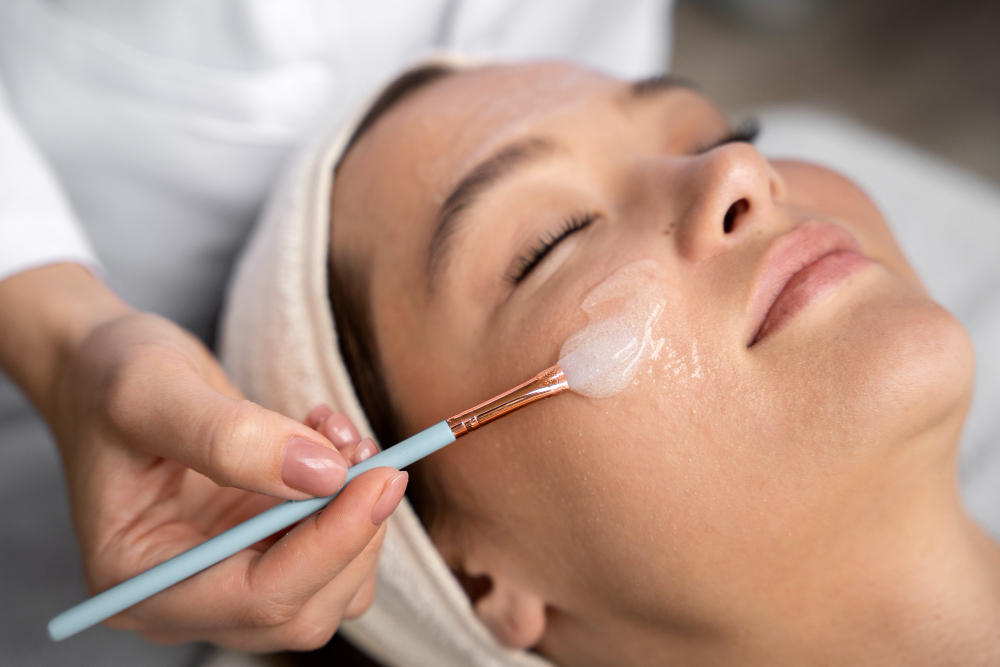
Chemical peeling is a skin treatment that uses a special solution to remove the top layers of skin. This process helps improve the look and feel of your skin. Many people choose chemical peeling to treat wrinkles, scars, or uneven skin tone. In fact, this skin rejuvenation treatment is popular in clinics and spas around the world. Chemical peeling can be done on the face, neck, or hands. However, it is important to have the procedure done by a trained professional.
Types of Chemical Peels
There are three main types of chemical peels. Each type works at a different depth and is chosen based on your skin needs.
Benefits of Chemical Peeling
Chemical peeling offers many benefits for your skin. For example, it can help with:
Additionally, many people notice their skin looks fresher and younger after a peel. According to the American Academy of Dermatology, chemical peels can safely treat many common skin concerns.
The Chemical Peeling Procedure
Before the procedure, your dermatologist will clean your skin. Next, they will apply the chemical solution. You may feel a mild stinging or burning for a few minutes. After a set time, the solution is removed or neutralized. The whole process usually takes less than an hour. For deeper peels, you may need pain relief or sedation. Your doctor will explain what to expect before the treatment begins.
Risks and Side Effects
While chemical peeling is generally safe, there are some risks and side effects. These can include:
However, most side effects are mild and go away within a few days. It is important to follow your doctor’s advice to lower your risk. The Centers for Disease Control and Prevention (CDC) recommends choosing a certified professional for any skin procedure.
Aftercare and Recovery Tips
Proper aftercare helps your skin heal and lowers the risk of problems. Here are some tips to follow after a chemical peel:
Most people recover from a light peel in a few days. However, deeper peels may take several weeks to heal fully.
Who Should Avoid Chemical Peeling?
Chemical peeling is not right for everyone. You should avoid this treatment if you:
Always talk to your dermatologist before deciding on a chemical peel. They can help you choose the safest option for your skin.
Frequently Asked Questions
Conclusion and Call-to-Action
Chemical peeling can greatly improve your skin’s texture, tone, and overall appearance. However, it’s important to understand its benefits, possible risks, and proper aftercare before beginning treatment. If you’re considering a peel, consult a certified dermatologist at Dr. YV Skin Clinic for personalised guidance based on your skin type and concerns. With expert care, you can achieve safe, radiant, and healthy-looking skin.