
What Is Hyperpigmentation?
Hyperpigmentation means some areas of your skin look darker than others. These dark patches can appear on your face, hands, or other body parts. Often, hyperpigmentation causes and treatments are discussed in dermatology because many people want an even skin tone. While it is not usually harmful, it can affect how you feel about your skin.
Common Causes of Hyperpigmentation
There are several reasons why dark spots or patches develop. Understanding these hyperpigmentation causes can help you prevent and treat them.
How Does Hyperpigmentation Look?
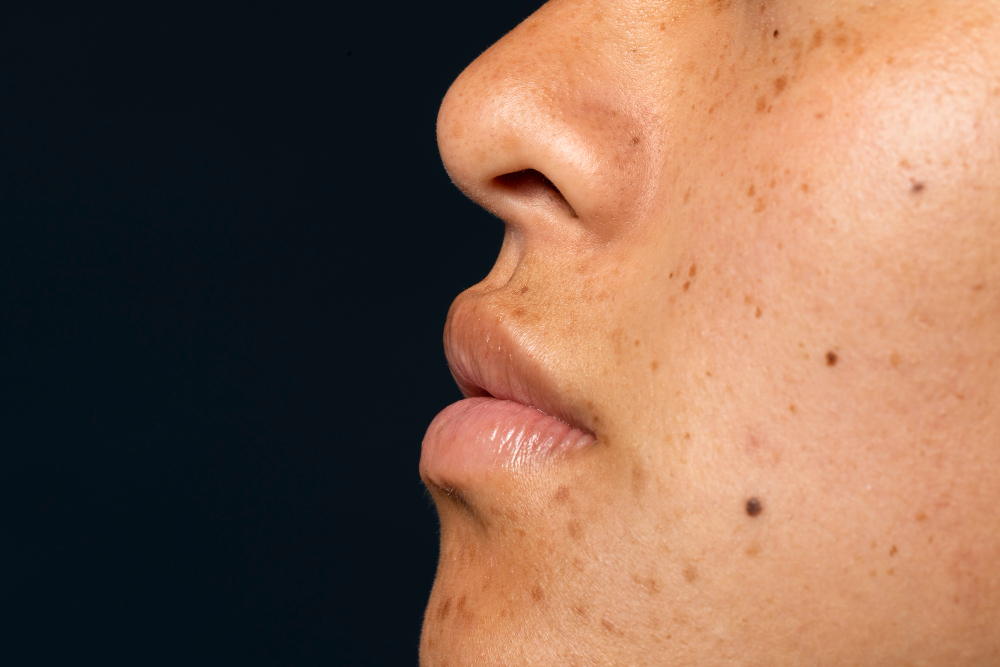
Usually, hyperpigmentation appears as flat, brown, black, or gray spots. Sometimes, these patches are small and round. Other times, they cover larger areas. For example, melasma often forms on the cheeks, forehead, or upper lip. In contrast, sun spots may show up on your hands or arms. While these spots do not hurt, they can make your skin tone look uneven.
How Is Hyperpigmentation Diagnosed?
First, a dermatologist will look at your skin. They may ask about your health, sun habits, and any medicines you take. Sometimes, they use a special light to see the spots better. Rarely, a small skin sample (biopsy) is needed to rule out other problems. Most of the time, no special tests are required.
Treatments for Hyperpigmentation
There are many treatments for hyperpigmentation. Your doctor will suggest the best option based on your skin type and the cause of your dark spots.
Topical Treatments
Procedures
Always talk to a dermatologist before starting any treatment. Some methods may not suit all skin types, especially darker skin tones.
Tips to Prevent and Manage Hyperpigmentation
Although some causes are hard to avoid, you can take steps to protect your skin. Here are some practical tips for how to get even skin tone and prevent new dark spots:
In sunny climates, extra care is needed. The sun’s rays are stronger, so reapply sunscreen often and seek shade when possible.
When to See a Dermatologist
If you notice new or changing dark spots, it is wise to see a dermatologist. Sometimes, dark patches can be a sign of another health issue. Also, a skin expert can suggest safe and effective treatments for hyperpigmentation. They can help you get an even skin tone and answer your questions about skin care.
Summary
To sum up, hyperpigmentation is a common and mostly harmless skin concern, but it can impact your confidence. By understanding its causes and choosing dermatologist-recommended treatments, you can achieve a clearer and more even skin tone. Remember, sun protection and gentle skincare play a vital role in prevention and recovery. For the best results, consult a dermatologist at Dr. YV Skin Clinic for personalised advice and effective treatment options tailored to your skin.